

You Spent $300,000 Building Out Your Laundromat. Can You Prove It?
You finally found the right location. You signed the lease. Then you spent hundreds of thousands of dollars turning an empty space into a laundromat.
Plumbing. Electrical. Flooring. Walls. Lighting. Bathrooms. HVAC. All the things that had to happen before the first customer ever walked through the door.
Now imagine there’s a major fire five years later.
You call your insurance company and say, “I put $300,000 into that space.”
The adjuster asks a very simple question:
“Can you prove it?”
That’s when you start looking for invoices from contractors you haven’t spoken to in years. You’re searching old emails for receipts. Your landlord says the improvements aren’t their responsibility. And suddenly, nobody seems to agree on who owns what or who was supposed to insure it.
Unfortunately, this isn’t a hypothetical situation.
We’ve recently had several claims involving laundromat owners where tenant improvements have become an issue. And what I’m seeing concerns me enough that I think every laundromat owner who leases their location needs to take a closer look at this.
Because when you have hundreds of thousands of dollars invested in a building you don’t own, you don’t want to wait until after a fire to find out whether that investment is properly protected.
First, What Are Tenant Improvements?
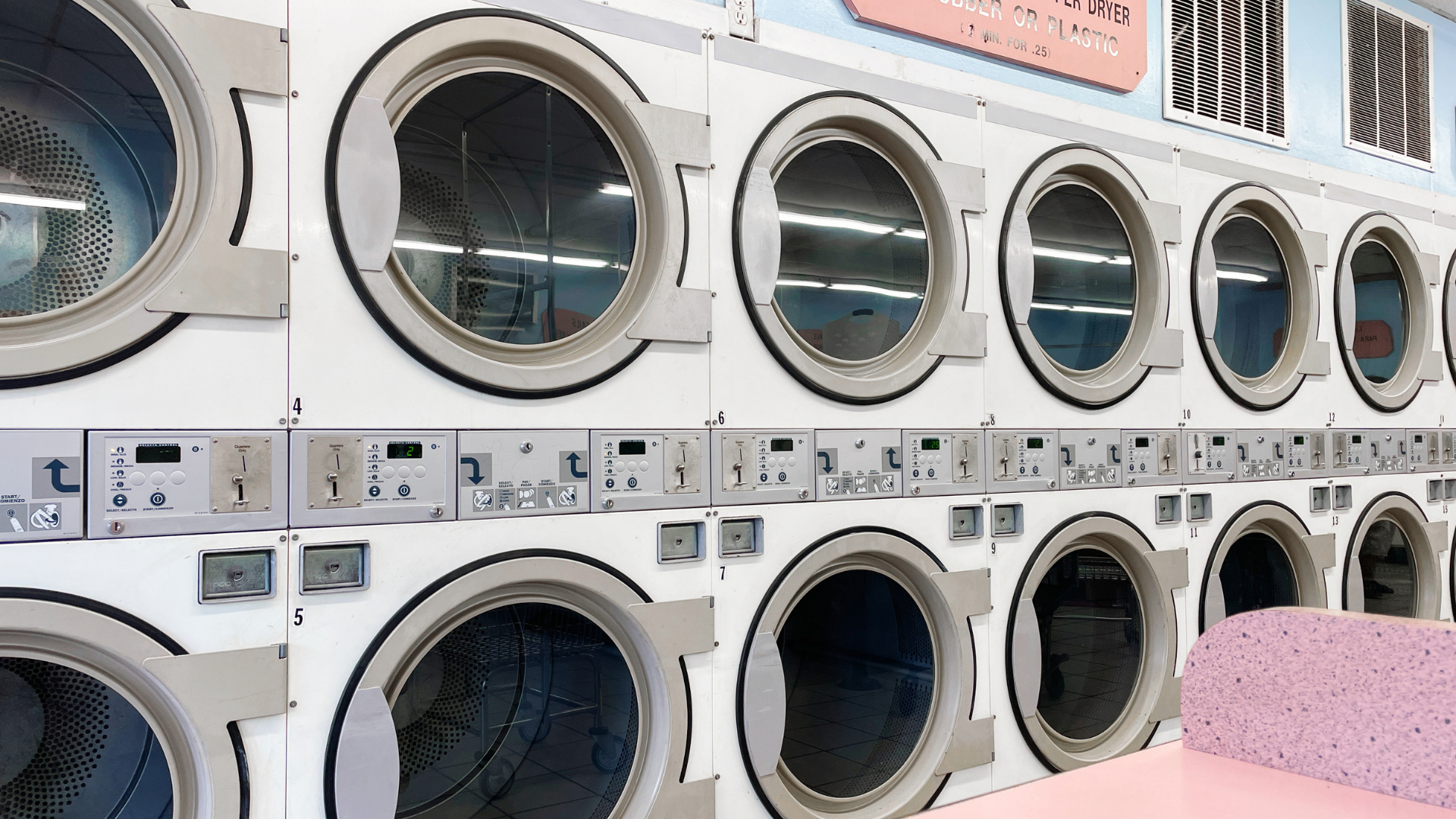
When you take over a location for a laundromat, chances are you spend a lot of money getting that space ready.
You may put in new plumbing, electrical systems, flooring, walls, ceilings, lighting, bathrooms, HVAC improvements, and all sorts of other permanent improvements.
Those are very different from your washers and dryers.
If you leave the location, you can take your washers and dryers with you. You can take your furniture, computers, and other business equipment.
But you’re probably not taking the plumbing out of the walls or ripping up the flooring and taking it with you.
Those improvements generally stay with the building.
That’s what we’re talking about when we discuss tenant improvements and betterments.
And in the laundromat business, that number can be substantial.
Here’s Where We’re Seeing Problems
Let’s say you lease an empty retail space and spend $300,000 building it into a laundromat.
A good portion of that money may be tied up in improvements to a building that you don’t actually own.
Now fast-forward five or ten years, and there’s a major fire.
Suddenly, everyone starts asking questions.
Who paid for the improvements?
Who owns them?
Who was supposed to insure them?
What does the lease say?
What does the insurance policy say?
And how much were those improvements actually worth?
I can tell you from experience: after a major claim is not when you want to start trying to answer those questions.
We’ve had situations where the landlord doesn’t want to get involved. The laundromat owner believes the improvements are part of their claim, while the landlord may have a different understanding of who is responsible.
Then there’s another problem we’ve been seeing.
The laundromat owner knows they spent a lot of money improving the location, but they can’t prove it.
“I Know I Spent $250,000” May Not Be Enough
I completely understand how this happens.
You opened your laundromat eight years ago. You had a general contractor. You had an electrician. You had a plumber. You bought materials. You made changes along the way.
The store opened, business got busy and all those invoices and receipts eventually ended up in a box somewhere or disappeared completely.
Then you have a claim.
Now the insurance company is asking you to document what was there and what you spent.
Saying, “Larry, I know I put $250,000 into that store,” is one thing.
Being able to produce contracts, invoices, receipts, canceled checks, photographs and other documentation showing exactly what you put into the location is something entirely different.
That documentation can become extremely important during a claim.
Please Read Your Lease
I know. Nobody opens a laundromat because they enjoy reading leases and insurance policies.
But your lease matters.
It may spell out who is responsible for the building, improvements and betterments, HVAC equipment, glass and other portions of the premises. It may also address what happens to improvements after they are installed.
One of the mistakes I see business owners make is assuming:
“I paid for it, so obviously it’s mine.”
From an insurance standpoint, it isn't always that simple.
Your lease and your insurance policy need to work together. If the lease says one thing and everyone assumes something else, you may not discover the problem until there’s a loss.
Here’s What I Recommend
If you own a laundromat and lease your space, take some time to document what you have invested in the location.
Keep your contracts.
Keep your invoices and receipts.
Keep proof of payment.
Keep your construction plans and permits.
And take pictures and videos of your finished store.
Today, there’s really no excuse for losing all of this information. Scan it and keep electronic copies somewhere safe, not just on a computer sitting inside the laundromat.
I would also recommend reviewing your tenant improvements with your insurance agent as part of your overall laundromat insurance coverage.
If you originally spent $200,000 building out the store and then spent another $100,000 renovating it several years later, did anyone ever tell your insurance agent?
Your insurance policy doesn’t automatically know that you remodeled the store.
One Last Thing
I’ve been insuring laundromats for a long time, and one thing I’ve learned is that the best claim is the one we’ve prepared for before it happens.
When there’s a fire or another major loss, emotions are already running high. Your business may be shut down. You’re worried about your employees, your customers, your income, and how quickly you can reopen.
That’s not the time you want to be searching through old boxes looking for a plumbing invoice from eight years ago or arguing with your landlord about who was supposed to insure something.
So, if you take one thing away from this article, let it be this:
Know what you paid for. Know what your lease says. Keep your documentation. And make sure your insurance agent knows what you have invested in the location.
You worked too hard and invested too much money building your laundromat to find out after a claim that something you thought was protected may not be as simple as you assumed.
Take care of it now before you need it.
Larry Trapani is President of Brooks-Waterburn Corp. and has specialized in insuring laundromats for more than 25 years. Brooks-Waterburn works with laundromat owners nationwide to help protect their businesses and investments.


