

Navigating Liability Risks in Laundromats: A Comprehensive Guide
Slip and fall is the claim every laundromat owner expects. It is not the only one.
A laundromat hands expensive machinery to the public and lets them run it unsupervised. That arrangement creates liability in places most owners never check. The clothes in the machine. The child on the folding table. The hour when nobody is on site.
This guide covers the exposures beyond the wet floor, and where laundromat insurance does and does not respond.
The One Everyone Expects
Slip and fall is the most common liability claim in the class, and in a business built around water, it always will be. General liability covers it. Clean floors, wet floor signage, and camera coverage reduce it.
That ground is well covered. The exposures below are the ones that catch owners off guard.
Damage to Customer Property
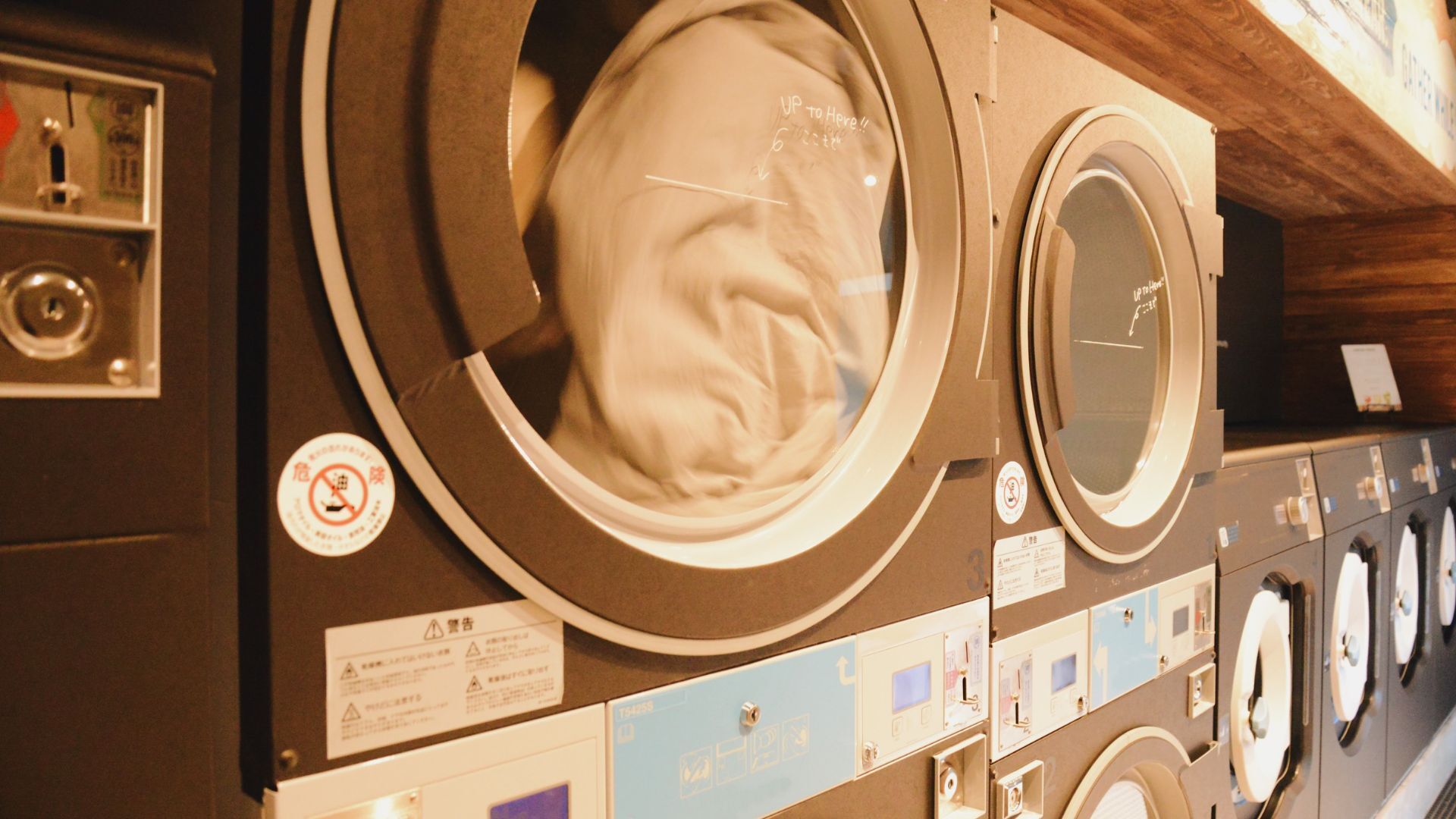
A machine floods and ruins a load of clothing. A dryer runs hot and shrinks a wedding dress. A customer leaves a bag behind, and it disappears.
None of these are bodily injury claims. A general liability policy may treat property in your care differently from property belonging to someone who simply walked in. Coverage for customer goods in your possession generally falls under bailee or customer property coverage, and it is not standard on every commercial policy.
The dollar amounts are usually small. The frequency is not, and a customer who loses a week of clothing tells people about it.
The Risk of an Unattended Store
An unattended store lowers payroll and raises claim difficulty. When an incident happens with no staff present, there is no witness, no report written while the facts are fresh, and nobody to clear the hazard before the next customer reaches it.
That affects how a claim gets defended, not whether it gets filed. A store with no attendant and no working cameras is defending a claim on the customer’s word alone.
Carriers ask about staffing for this reason. Be accurate on the application. A discrepancy found at claim time becomes its own problem.

Children on the Floor
Laundromats draw families, and children treat the equipment as playground gear. Carts get ridden. Folding tables get climbed. Front-load doors get opened and shut.
An injury to a child is a different claim than an injury to an adult. Settlement ranges run higher, the filing window may stay open longer, and sympathy in a courtroom does not sit with the business.
Signage limits this but does not remove it. Layout helps more. Carts stored out of reach, tables sized for adults, and clear sightlines from wherever an attendant sits.

Wash-Dry-Fold and Attendant Services
The moment you take in a customer’s laundry, you are holding their property and your staff is handling it. That shifts the risk.
Loss or damage to goods in your possession is a bailee exposure. Theft by an employee is a crime exposure, not a liability one. An employee injuring a customer is general liability. Three different parts of the program, all triggered by one service line.
Stores that added wash-dry-fold without telling their broker are insured for the business they described at binding, not the one they run now.
Where the Gaps Usually Sit
Most laundromat policies handle the wet floor. The gaps tend to sit in the same three places. Property belonging to customers. Services added since the policy was written. Staffing that does not match what the application says.
Contact Brooks Waterburn today, and we will check those three against your current policy.


