

Machine Shop Insurance Cost Guide: What Shops Should Expect to Pay
Running a machine shop means balancing tight production schedules, high-value equipment, and demanding client standards. Insurance is a critical part of protecting that operation, but many owners are unsure what machine shop insurance actually costs.
The reality is that pricing can vary widely depending on your equipment, operations, and risk profile. Understanding how insurers evaluate machine shops can help owners make better decisions about coverage and budgeting.
At Brooks-Waterburn, machine shops across the country work with advisors who focus on matching the right coverage with the right price, helping owners understand the real factors that influence insurance costs.
Below is a practical guide to how machine shop insurance pricing works and what shop owners should know before requesting a quote.
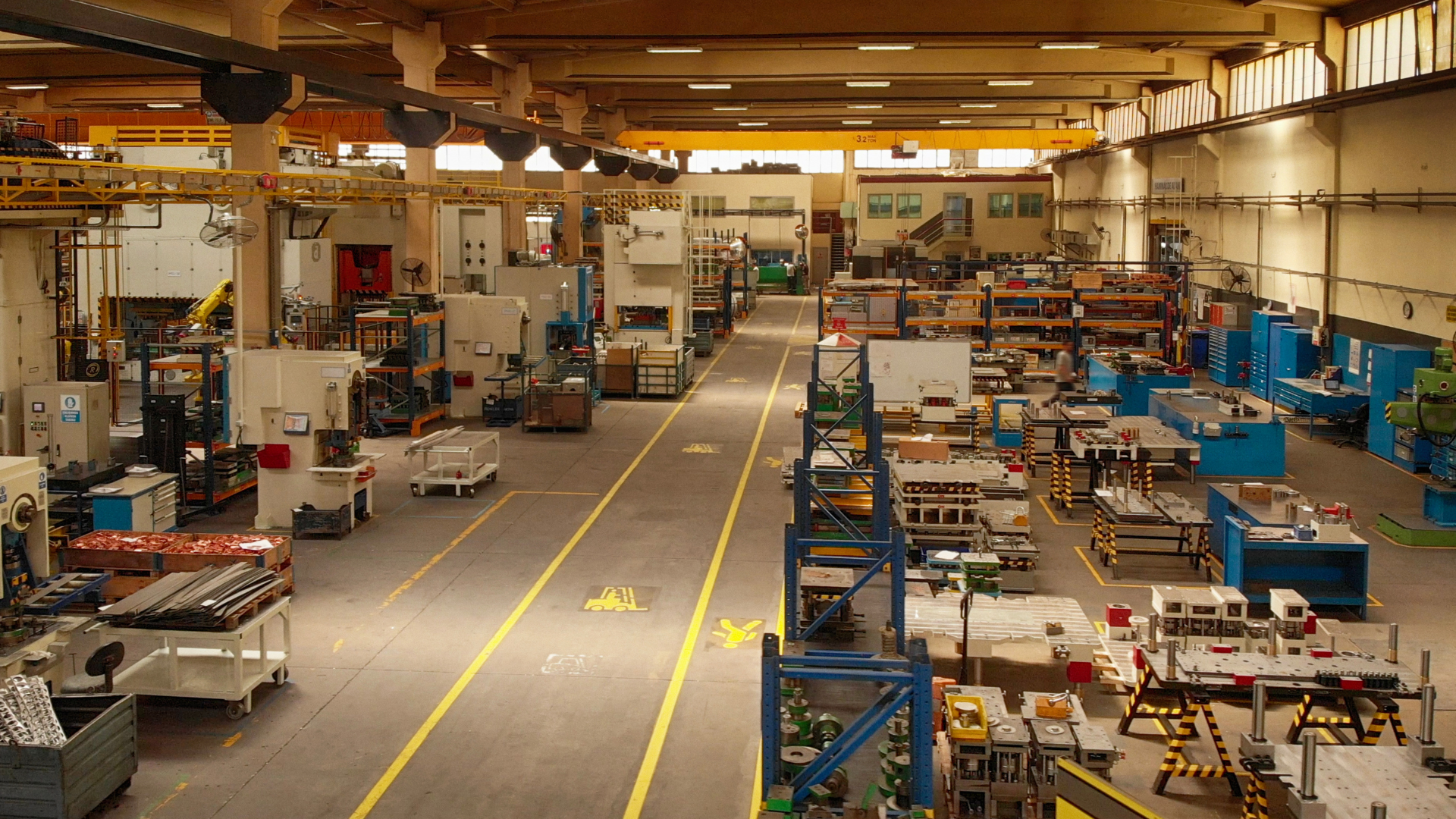
Average Cost Range for Machine Shop Insurance
Machine shop insurance is usually built from several policies rather than a single plan. Most shops carry a combination of liability, property, and workers’ compensation coverage. For many small-to mid-size machine shops, typical annual costs may include:
General liability insurance: often ranges from $500 to $2,500 per year
Commercial property insurance: commonly between $1,000 and $5,000, depending on equipment value
Workers’ compensation: varies based on payroll and job classifications
Equipment breakdown coverage: depends on the type and value of machinery
Larger manufacturing operations or shops with specialized CNC equipment may see higher premiums because the insured assets and potential liabilities increase.
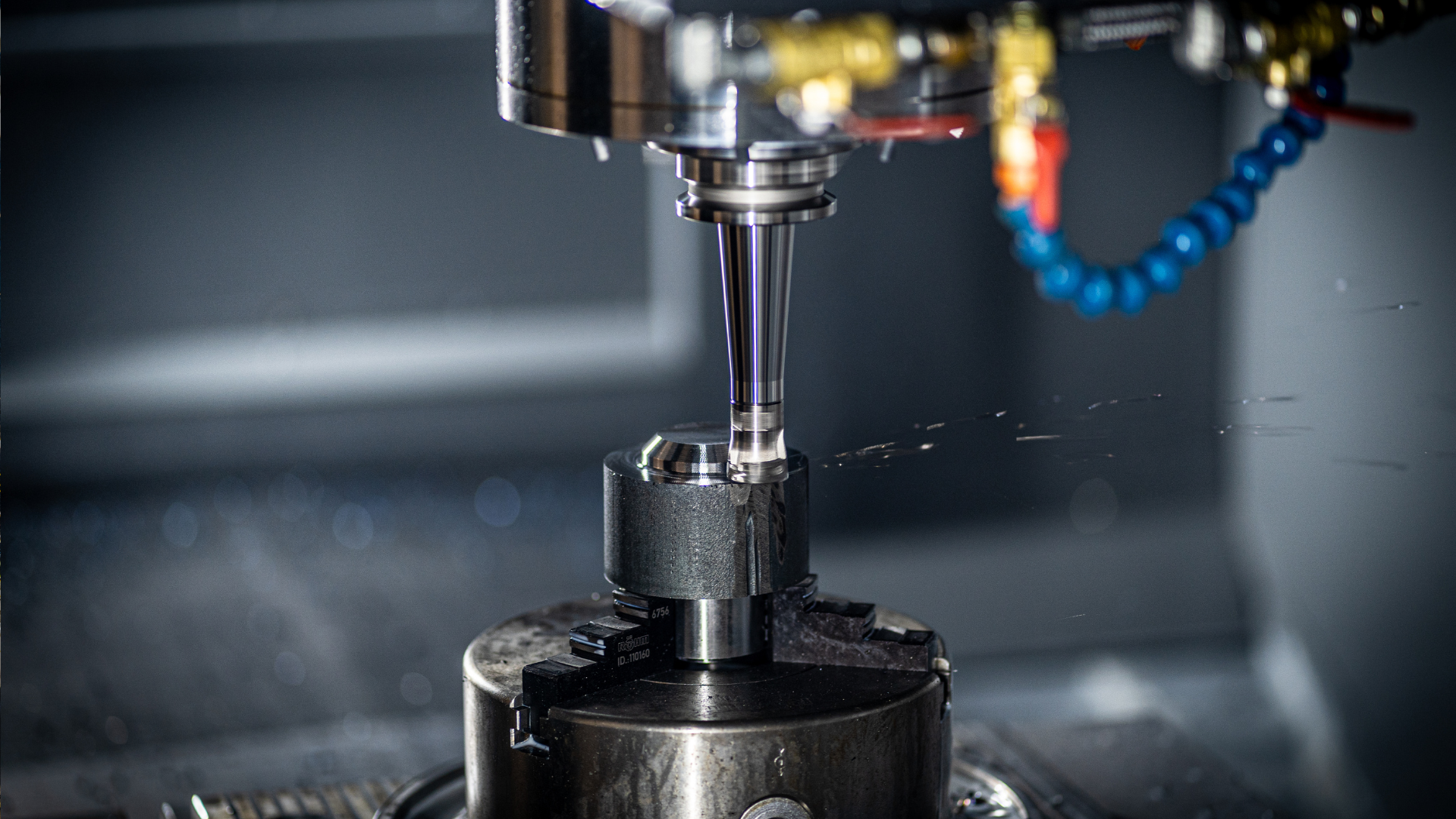
Key Factors That Affect Machine Shop Insurance Cost
1. Type of Machining Operations
Not all machine shops carry the same level of risk, and the type of work a shop performs has a major impact on insurance cost. Operations such as precision CNC manufacturing, prototype machining, metal fabrication, welding, or the production of safety-critical parts can all create different levels of exposure. Shops that manufacture components for industries like aerospace, automotive, or heavy equipment often face greater liability risk because a defect or failure can have serious consequences. Because of this, insurers may require broader coverage or higher policy limits, which can increase the overall premium.
2. Value of Equipment and Machinery
The value of a shop’s equipment is one of the biggest drivers of insurance pricing. Machine shops often rely on expensive assets such as CNC mills, lathes, multi-axis machining centers, grinders, fabrication tools, and precision measurement equipment. In many cases, a shop may have hundreds of thousands or even millions of dollars invested in machinery. As equipment values increase, insurance premiums typically rise as well, since the cost to repair or replace that machinery and the financial impact of downtime both become much greater.
3. Number of Employees
The size of a machine shop’s workforce also plays an important role in determining insurance cost, especially when it comes to workers’ compensation. Insurers look closely at factors such as total payroll, employee responsibilities, prior claims history, and overall safety practices. Shops with more employees generally carry higher exposure, but those that invest in training, maintain strong safety procedures, and have fewer workplace injuries may be able to secure more favorable rates.
4. Materials and Processes Used
The materials a machine shop works with and the processes it performs can also affect how insurers evaluate risk. Working with steel, aluminum, or specialty alloys may involve different hazards depending on the environment and production methods. In addition, shops that perform services such as welding, heat treatment, or finishing may face greater underwriting scrutiny because those activities can introduce added fire, injury, or equipment-related risks. As operational complexity increases, insurance costs may increase as well.
5. Client Contracts and Industry Requirements
Many machine shops serve larger manufacturers or commercial clients that require vendors to carry specific types and amounts of insurance. It is common for these contracts to require general liability limits of $1 million to $2 million, products and completed operations coverage, or additional insured endorsements. If a shop works with major clients or operates in highly regulated industries, it may need higher limits or more specialized coverage to remain compliant with contract requirements. These added insurance obligations can directly affect the total cost of coverage.
Ways Machine Shops Can Reduce Insurance Costs
Insurance premiums aren’t fixed. Businesses that actively manage risk often qualify for better pricing over time.
Maintain Strong Workplace Safety Programs
Documented training, machine safety procedures, and protective equipment policies can reduce workers’ compensation risk.
Keep Equipment Well Maintained
Preventative maintenance programs help reduce the chance of breakdowns and production interruptions.
Review Coverage Annually
As equipment values change or operations grow, coverage may need to be adjusted to avoid over- or under-insuring the business.
Work With Industry-Focused Advisors
Insurance specialists like Brooks-Waterburn, who understand manufacturing risks, can help structure coverage more efficiently and avoid unnecessary costs.
Get a Machine Shop Insurance Quote Built for Your Operation
Protect your machine shop without overspending. The best way to understand your costs is to consult an expert in manufacturing insurance.
Brooks-Waterburn specializes in tailored national coverage for machine shops based on your equipment, workforce, and production risks. A quick chat can clarify if your current policy limits are sufficient, if your equipment values are correctly insured, or if there are potential coverage gaps
Request a machine shop insurance quote from Brooks-Waterburn today and get coverage built specifically for your operation.


