

Machine Shop Insurance Checklist: Coverage Every CNC and Fabrication Shop Should Review
Machine shops rely on precision, timing, and reliability for CNC work and fabrication, requiring specialized equipment, skilled staff, and strict quality control. However, many shop owners neglect to regularly review their insurance coverage.
As operations grow, adding machines, expanding contracts, and changing requirements, insurance must keep pace with the business's reality.
This checklist is designed to help machine shop owners evaluate whether their current insurance coverage still meets the demands of their operation. As risks evolve and businesses grow, coverage that once seemed sufficient may no longer fully protect the shop’s equipment, employees, or contractual obligations. Many businesses turn to experienced advisors like Brooks-Waterburn for guidance because they offer nationwide insurance solutions tailored to specialized industries such as manufacturing and machining.
1. General Liability Coverage
General liability insurance is the foundation of most commercial insurance programs and helps protect machine shops from claims involving bodily injury or property damage caused by business operations. A claim could arise if a customer or vendor is injured while visiting the shop, if damage occurs during the installation or delivery of machined components, or if business activities cause damage to someone else’s property. Many manufacturing contracts require machine shops to carry at least $1 million in liability coverage per occurrence, and some clients may require even higher limits.
2. Commercial Property Insurance
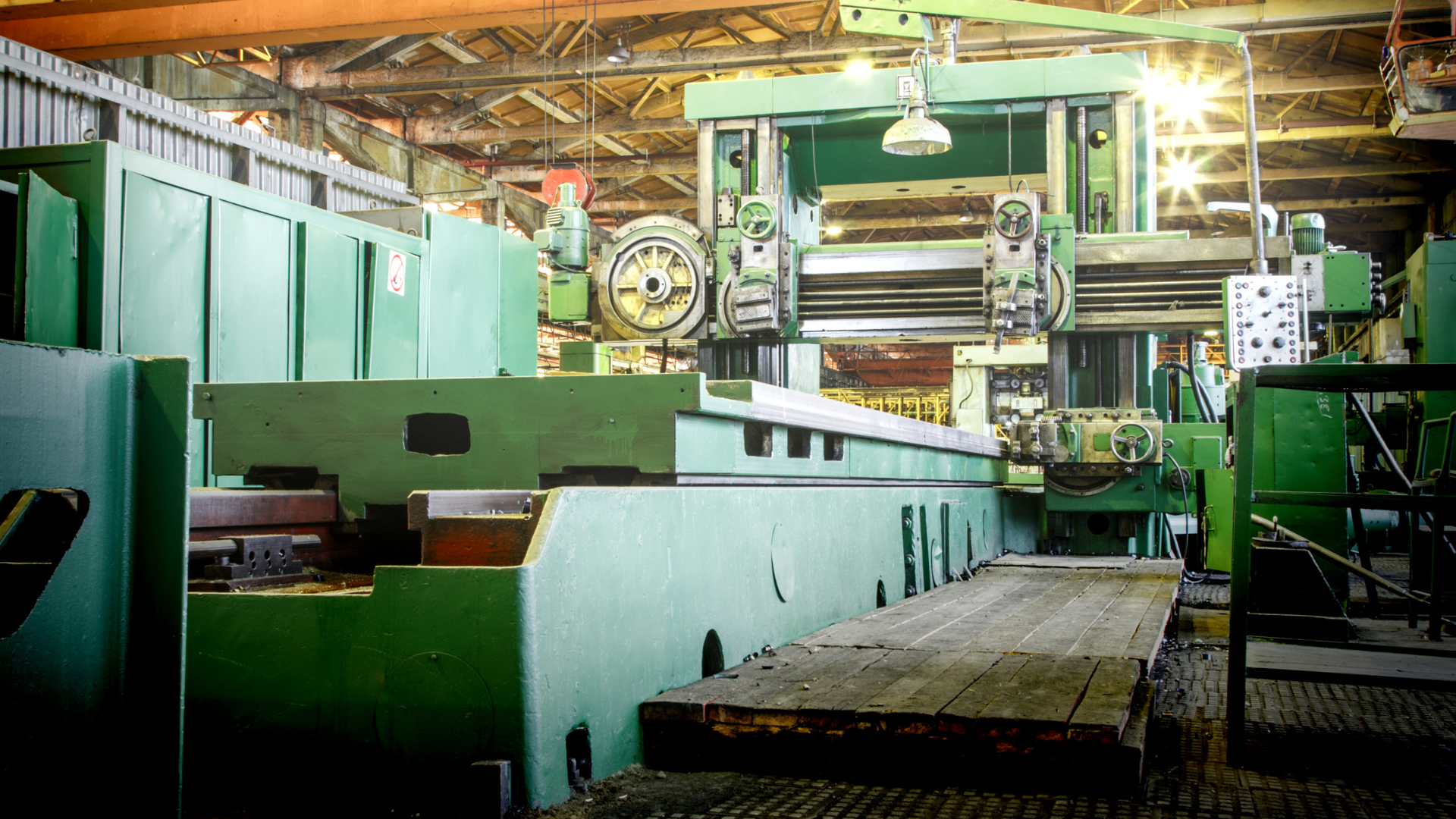
Commercial property insurance is essential for protecting the physical assets that keep a machine shop running. This can include CNC machines, production equipment, inspection and measurement tools, raw materials, inventory, shop computers, software systems, and office furnishings. One of the most common issues businesses face is failing to update their policy after investing in new equipment. When machinery values increase but coverage does not, the business may be left with a significant financial gap if a loss occurs.
3. Equipment Breakdown Protection
Machine shops depend on specialized machinery performing reliably every day. When critical equipment fails, production delays can quickly impact delivery schedules, customer relationships, and revenue. Equipment breakdown coverage helps protect against losses related to mechanical failure, electrical malfunctions, control system damage, and sudden internal machine breakdowns. For shops that rely on precision equipment to maintain output, this coverage can be especially valuable.
4. Workers’ Compensation Insurance
Employees are at the center of every machine shop operation, and workers’ compensation insurance helps protect both the workforce and the business when injuries happen on the job. Common risks in these environments include machine-related injuries, repetitive motion strain, and slips or falls in production areas. In most states, workers’ compensation coverage is legally required. Even where it may not be mandatory, carrying this coverage is an important safeguard against medical costs, lost wages, and potential liability.
5. Commercial Auto Insurance
Some machine shops use vehicles to deliver finished components, transport raw materials, or travel between job sites. When company vehicles are used for business purposes, commercial auto insurance may be necessary to provide proper protection. This can include coverage for delivery vans or trucks, vehicles driven by employees for work-related tasks, and liability arising from accidents during business travel. Standard personal auto policies often do not provide adequate coverage for business use, which makes this an important area to review.
6. Product Liability Protection
If a machined component fails after it leaves the shop and causes damage or injury, the business that produced the part may be named in a claim or lawsuit. Product liability coverage helps protect machine shops from the financial consequences of these situations. This coverage is particularly important for businesses that supply automotive manufacturers, equipment producers, industrial machinery companies, and construction or manufacturing suppliers, where component performance can directly affect larger systems and operations.
7. Umbrella Liability Coverage
As a machine shop grows, its overall risk exposure often grows with it. Umbrella liability coverage provides an extra layer of protection above the limits of standard policies, helping extend coverage beyond general liability, employer liability, and commercial auto liability. For shops with larger contracts, higher-value clients, or greater operational complexity, this added protection can be an important part of a well-rounded insurance program.
Why Regular Insurance Reviews Matter for Machine Shops
As machine shops grow and change, their insurance must adapt. Annual coverage reviews ensure that equipment values are current, policy limits meet client needs, and new services are covered.
Working with advisors familiar with manufacturing helps businesses gain clearer insights into appropriate coverage. Brooks-Waterburn offers commercial insurance programs tailored for machine shops, helping owners secure coverage reflecting their equipment, workforce, and production risks.
Protect Your Machine Shop Before Problems Occur
Don't wait for a loss to find out your machine shop insurance has gaps. A proactive review confirms protection against modern machining risks.
Connect with Brooks-Waterburn today for an insurance review and a customized quote based on your machines, employees, and production environment.
The right coverage protects your equipment and your shop's future.


